- IF: Imagination and Fantasy
- Posts
- Frederik Pohl: Architect of Science Fiction
Frederik Pohl: Architect of Science Fiction
Pohl’s Legacy Among the Stars

Damion Taylor
November 14, 2025 • Estimated Reading Time: 6 minutes

In partnership with

In the vast cosmos of science fiction, where endless possibilities unfold, certain pioneers erect frameworks that shape the entire landscape. Among such architects stands Frederik Pohl. Unlike many who merely play a part, Pohl was instrumental both on and behind the stage, carving a niche that profoundly influenced the genre.
How 1,500+ Marketers Are Using AI to Move Faster in 2025

Is your team using AI like the leaders—or still stuck experimenting?
Masters in Marketing’s AI Trends Report breaks down how top marketers are using tools like ChatGPT, Claude, and Breeze to scale content, personalize outreach, and drive real results.
Inside the report, you’ll discover:
What AI use cases are delivering the strongest ROI today
How high-performing teams are integrating AI into workflows
The biggest blockers slowing others down—and how to avoid them
A 2025 action plan to upgrade your own AI strategy
Download the report. Free when you subscribe to the Masters in Marketing newsletter.
Learn what’s working now, and what’s next.
The Early Days: From Pennies to Pragmatism
Frederik Pohl's journey into science fiction began in Brooklyn, where his youthful passion for writing soon intertwined with The Futurians, a group characterized by their political fervor and intellectual debates. They weren't in it for the money—paid mere pennies per word—but for the love of storytelling and societal discourse. Unlike others who might wait for opportunity, Pohl took action, becoming a literary agent in 1937 and shortly thereafter, the editor of his own pulp magazine.
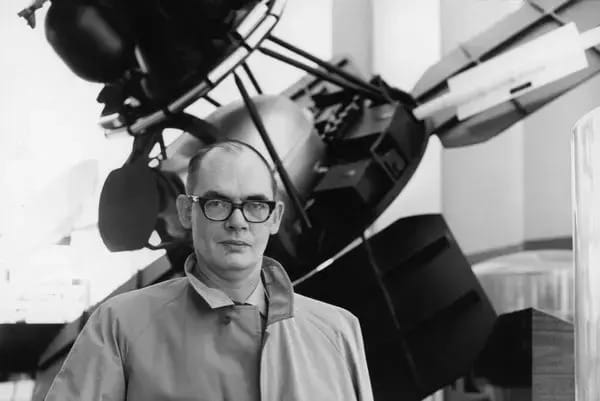
Pohl’s dynamic approach through multiple roles—writer, agent, and editor—gave him a 360-degree view of the industry. This early pragmatism laid the groundwork for his influential contributions over the decades.
Editor Extraordinaire: Shaping the Genre’s Future
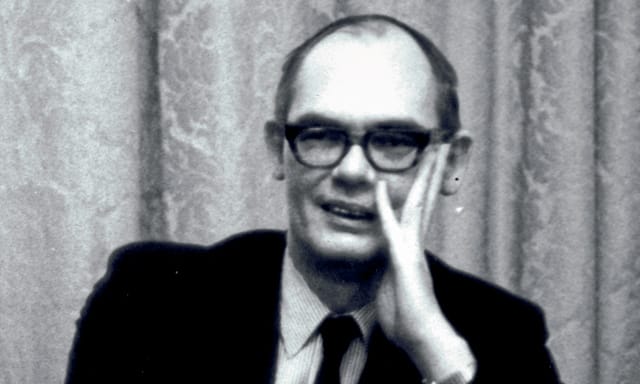
Transitioning from his gritty beginnings, Pohl’s editorial tenure at Galaxy Magazine marked another major shift. Following Horace Gold's initial push for sophistication in the genre, Pohl passionately pursued stories with depth and social commentary. This era reflected the anxieties of mid-century, moving beyond "rockets and ray guns" to question society and explore human impact—a testament to Pohl's encouragement of tackling grander themes in sci-fi narratives.
The Novelist’s Renaissance: A Literary Arrival
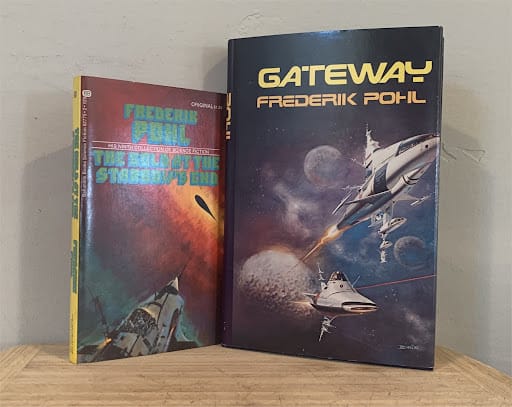
Even when Pohl seemed settled in the editorial domain, he surprised everyone with a creative burst as a novelist. The mid-1970s saw him emerge with acclaimed works such as "Man Plus" and "Gateway," each winning prestigious awards. It was a literary arrival akin to a revelation, as these works intertwined human questions with compelling stories, showcasing Pohl’s lifelong mastery of reinvention.
The Later Years: Sustaining Excellence
Far from resting on his laurels, Pohl continued this prolific streak. His 1979 "Jem" won the National Book Award, further cementing his place atop the literary world—a rare achievement indicating sustained relevance. The Heechee series began with "Gateway" extended across numerous novels, illustrating his ongoing innovation.
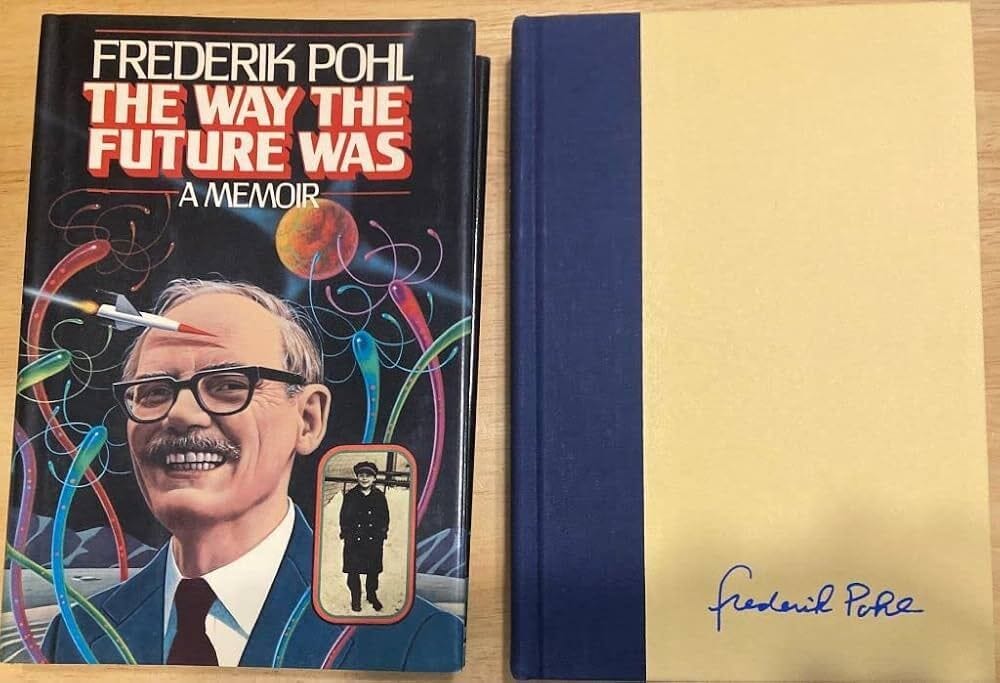
Even during periods of reflection, such as the publication of his memoir "The Way the Future Was," Pohl’s voice remained clear and influential.
Interplay of Influences: Pohl Among Giants
Pohl operated not in isolation, but within a vibrant landscape of influential peers such as John W. Campbell and Judith Merril, among others. Each editor brought unique visions, providing a rich tapestry that allowed science fiction to grow more diverse. In this milieu, Pohl’s path often diverged from Campbell’s hard SF focus, instead promoting socially aware narratives.

Legacy of Adaptability: Lessons from Pohl’s Journey
Pohl’s trajectory was one of adaptability, persistence, and enchantment with reinvention. His career mirrored the evolution of science fiction itself, spanning from modest pulp origins to profound literary significance. Through countless roles—as writer, editor, and beyond—Pohl’s impact remains a beacon of versatility.
For us, the legacy of Frederik Pohl serves as a powerful reminder of the value in multifaceted experiences. As you immerse yourself in your next sci-fi read, consider the myriad hands involved in its creation—the agents, editors, and visionaries like Frederik Pohl whose diverse roles continue to inspire and enrich the genre. Indeed, stepping beyond conventional paths could very well foster your own creative brilliance, much like that of the incomparable Frederik Pohl.
Listen to the full podcast episode here!