- IF: Imagination and Fantasy
- Posts
- Is This the Sci-Fi Successor to Game of Thrones?
Is This the Sci-Fi Successor to Game of Thrones?
How a New Series Is Stirring a Conspiracy-Level Buzz

Damion Taylor
February 19, 2026 • Estimated Reading Time: 4 minutes

When Game of Thrones ended its TV run after eight seasons, it left behind one of the most passionate fanbases in modern television history — along with endless debate over its finale. Fast forward to 2026, and that legacy is still shaping how audiences react to new genre TV. One of the most talked-about developments? A modern sci-fi series that Giant Freakin Robot reports is now “at the center of a Game of Thrones conspiracy.”
What’s the Buzz All About?
The article describes a current science-fiction show that — for reasons both creative and cultural — has become wrapped up in conversation normally reserved for fantasy sagas like Game of Thrones. While details on the series weren’t fully available due to the article’s paywall, it clearly highlights how fandoms and critic communities are connecting the dots between epic genre storytelling and this new sci-fi project.

The reason? Game of Thrones redefined what serialized genre television could be: sprawling world-building, layered politics, high-stakes emotional drama. Fans now often look for that same scale in new shows — especially those outside of traditional fantasy. That expectation is part of why this new sci-fi series has sparked conspiracy talk, speculation, and intense online discussion.
Enter 3 Body Problem: Sci-Fi Epic from Game of Thrones Creators
One of the most prominent examples fueling this comparison is Netflix’s 3 Body Problem, a high-budget science-fiction adaptation from David Benioff and D.B. Weiss, the showrunners behind Game of Thrones.
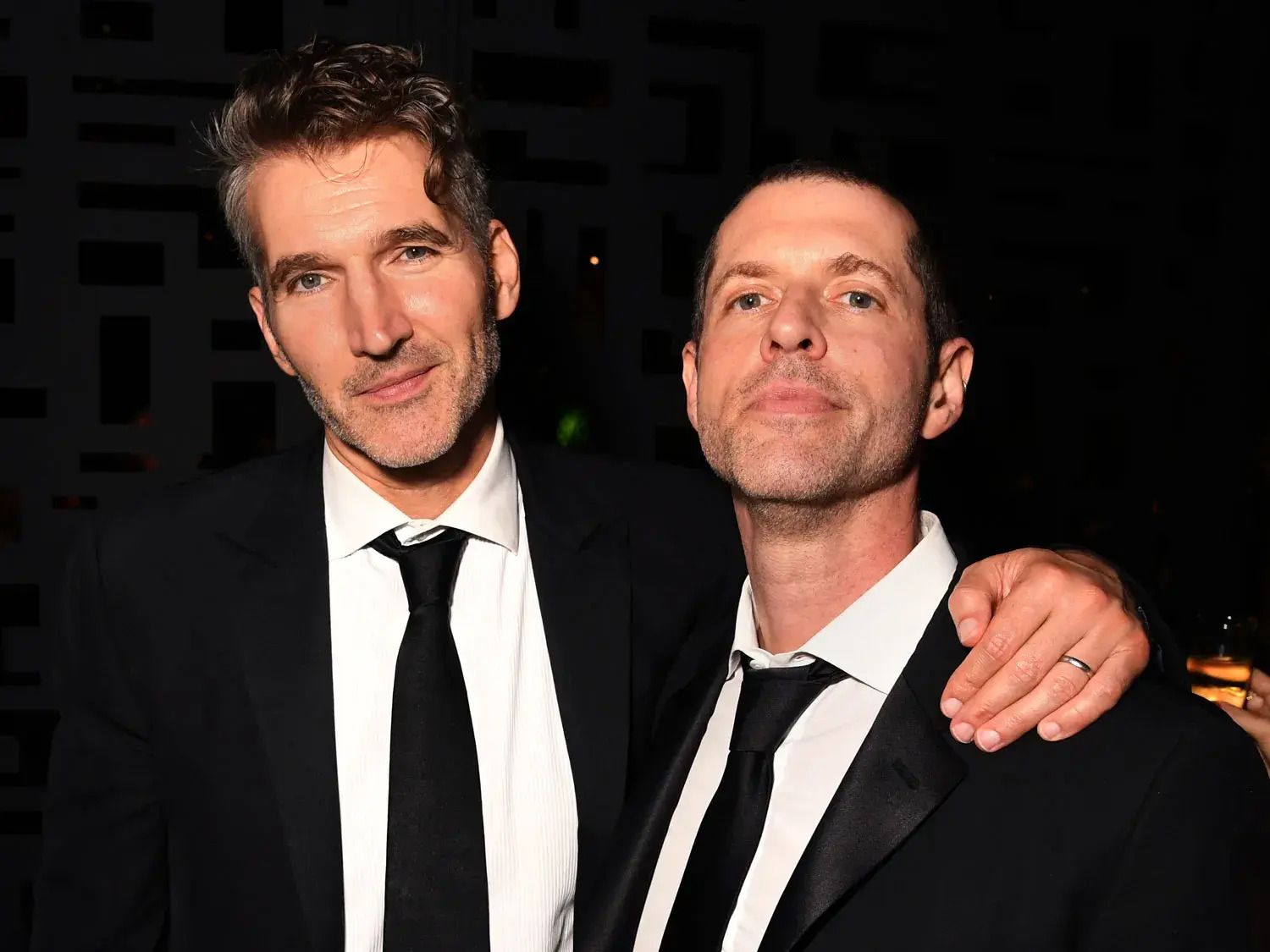
David Benioff and D.B. Weiss
Based on the internationally bestselling trilogy by Liu Cixin, 3 Body Problem drops viewers into a narrative that spans decades, blending deep theoretical physics with high-drama storytelling. The tale begins in 1960s China during the Cultural Revolution and unfolds into a complex saga involving alien civilizations and the fate of humanity — themes far broader than your typical alien invasion story.
Released on Netflix in March 2024, 3 Body Problem quickly climbed global streaming charts, hitting top spots in multiple countries and generating both praise and critique for its ambitious scope and dense plotting. It’s already renewed for additional seasons — a sign that audiences remain invested in its sprawling mystery.

Why Fans Draw Parallels to Game of Thrones
So why do many viewers tie this sci-fi franchise to Game of Thrones on a conspiratorial level?
With Benioff and Weiss at the helm, 3 Body Problem carries the creative lineage of Game of Thrones — meaning fans anticipate the same narrative risks and massive world-building that marked the earlier show’s success.
2. Genre Expectations and Fan Culture
Game of Thrones sparked years of online theories, lore speculation, and conspiracy theories about characters and plot threads. That culture of analysis has now spilled into sci-fi projects, especially big ones with opaque storytelling and ambitious themes. Fans aren’t just watching — they’re theorizing.
3. Big Stakes, Big Ideas
Sci-fi at its best — like epic fantasy — asks huge questions: How does humanity face extinction? What moral cost comes with technological progress? 3 Body Problem tackles these with a cinematic scale that feels familiar to anyone who watched Westeros’ internecine battles with equal obsession.
The Conspiracy Isn’t Really a Conspiracy — Just Passion
The “Game of Thrones conspiracy” label surrounding this new sci-fi series isn’t evidence of secret plots or hidden narratives. Instead, it speaks to how genre TV has evolved: fans want big worlds, rich mythology, and shared experiences — and when a show with pedigree arrives, comparisons are inevitable.
In other words, the buzz highlights both the enduring legacy of Game of Thrones and the hunger for ambitious storytelling — whether in fantasy or science fiction. As new chapters in episodic genre TV unfold, fans will keep watching, theorizing, and yes, connecting dots between their favorite universes.