- IF: Imagination and Fantasy
- Posts
- Mastering Fantasy Endings: The Art of Landing a Perfect Conclusion
Mastering Fantasy Endings: The Art of Landing a Perfect Conclusion
Power of a Perfect Fantasy Ending

Damion Taylor
November 28, 2025 • Estimated Reading Time: 4 minutes

In the realm of storytelling, few genres present as grand a challenge as fantasy. The vivid landscapes and otherworldly quests captivate audiences, but crafting the perfect ending is no easy feat. Today, we explore what makes fantasy film conclusions resonate with viewers and why they are as crucial as any other aspect of the narrative.
The Highwire Act of Fantasy
The world of fantasy is limitless; films whisk us across dimensions and times, urging us to believe in more than our reality. However, such vast potential for escapism often risks stretching plots too thin, leaving tales alienating or disconnected. The essence of a compelling fantasy ending is not merely spectacle; it's the assurance every character's journey is complete and cohesive.

Two Paths to Success
After analyzing several acclaimed fantasy films, two dominant themes in endings emerge: "earned glory" and "internal reconciliation." The former sees heroes attain significant external rewards—be it the kingdom or the magic sword—symbolizing their journey's culmination. The latter invites protagonists and audiences alike to embrace the often bittersweet truths of their non-magical lives.
Meta Narratives and Jarring Returns
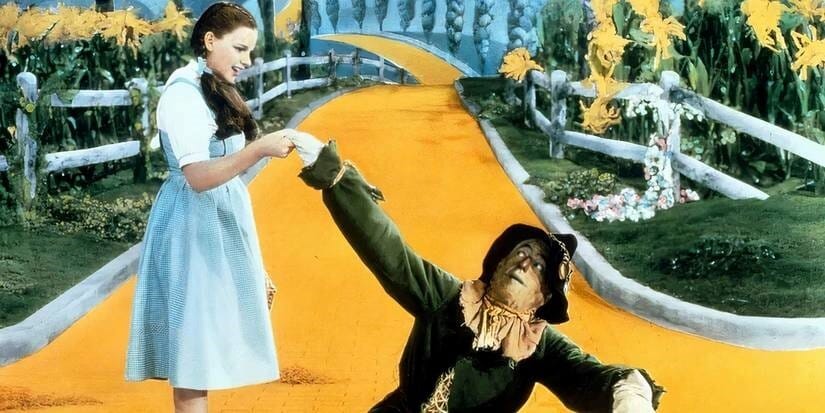
Some films, like the 1939 classic "The Wizard of Oz," employ a meta narrative, grounding fantastical escapades in an appreciation of reality. Dorothy’s colorful journey was but a dream, yet waking to cherished faces redefines her magical Oz adventure. Similarly, "The Princess Bride" uses its dual narrative to remind us of storytelling's power, which can comfort not just characters but viewers of all ages.
The Ambiguity of Fantasy Worlds
While some films neatly tie their plots with a bow, others revel in ambiguity. Guillermo del Toro's "Pan’s Labyrinth" presents a duality that mingles brutal historical reality with dark fantasy, leaving audiences questioning the boundaries between the two. Its ending, with Princess Moanna's return, delivers closure to its magical narrative, a stark contrast to the unresolved harshness of its real-world setting.

Confrontation with Difficult Truths
When confronted with endings that challenge the audience's comfort, the impact is profound. "A Monster Calls" dwells in emotional depth as young Conor faces the inevitability of his mother's death. Its concluding revelation—linking Conor and his mother's experiences with the monster—provides solace through acceptance rather than avoidance of grief.

Celebrating the Ordinary
In contrast, endings like that of "Where the Wild Things Are" celebrate the mundane. Max’s choice to leave wild chaos behind for a simple dinner with his mom illuminates a profound truth: peace can be found in ordinary life, a validation of normalcy after fantastical reigns.

The Takeaway
These divergent paths highlight that perfect fantasy endings hinge on emotional and logical resolution. Whether offering triumphant victories or sober truths, they must reflect the protagonist’s journey authentically, weaving the fantastical and the real into a meaningful narrative arc. These tales remind us of the grounding power of truth against the canvas of dreams, leaving viewers to ponder: Is genuine escape only appreciated when confronted with the realities we wish to escape?
As credits roll on your next fantasy epic, consider this: Are the most memorable endings those where the hero and the audience must confront their original truths? Perhaps, only by understanding what we long to leave behind can we truly savor the magic of the escape.
Listen to the full podcast episode here!