- IF: Imagination and Fantasy
- Posts
- Rediscovering The Chronicles of Narnia: A Forgotten Fantasy Gem
Rediscovering The Chronicles of Narnia: A Forgotten Fantasy Gem
Why Narnia Still Deserves Our Wonder

Damion Taylor
October 29, 2025 • Estimated Reading Time: 5 minutes

Introduction
Welcome to another edition of our Deep Dive series, where we sift through the noise to present you with essential nuggets of knowledge. Today, we’re stepping through a familiar doorway into a world filled with snow, talking animals, and an iconic wardrobe. Our focus is on a film that emerged with high expectations, delivered an enchanting experience, but later faded mysteriously from our collective memory. Yes, we’re talking about "The Chronicles of Narnia: The Lion, the Witch, and the Wardrobe" from 2005. Remember Liam Neeson's commanding voice as Aslan?
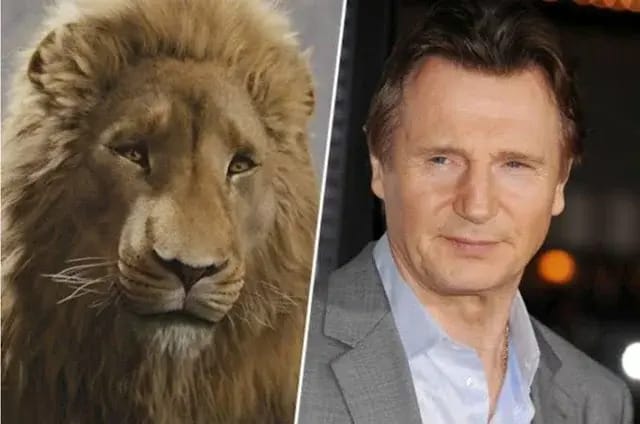
Our mission today is to unpack the journey of this movie—from its triumphant debut to its quiet descent into the background—and explore why it deserves a fresh look.
The Narnia Phenomenon
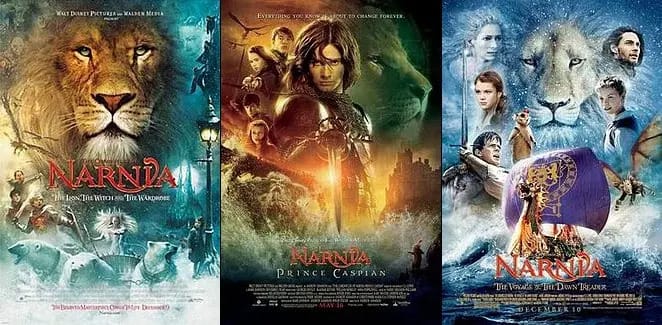
The 2005 film "The Chronicles of Narnia: The Lion, the Witch, and the Wardrobe" was poised to become a sprawling franchise success. Based on C.S. Lewis's beloved books, it was armed with a substantial budget and a stellar cast, promising a thrilling fantasy escape. It generated a massive $745 million at the global box office, yet the broader cultural legacy of the film and its sequels didn’t quite meet these high expectations.
This initial success was remarkable. At the time, the fantasy genre was truly flourishing, with giants like "The Lord of the Rings" and "Harry Potter" setting sensational benchmarks. Against this backdrop, Disney’s calculated move to adapt Narnia seemed destined for acclaim. However, the series faltered with its sequels, "Prince Caspian" and "The Voyage of the Dawn Treader."
Navigating Creative Challenges
"Prince Caspian" adopted a darker tone, alienating audiences who expected the whimsical magic of the first film, while "The Voyage of the Dawn Treader" shifted toward a more action-driven narrative. These creative changes impacted both fan reception and box office returns, and ultimately led to legal disputes that halted the franchise's progress.
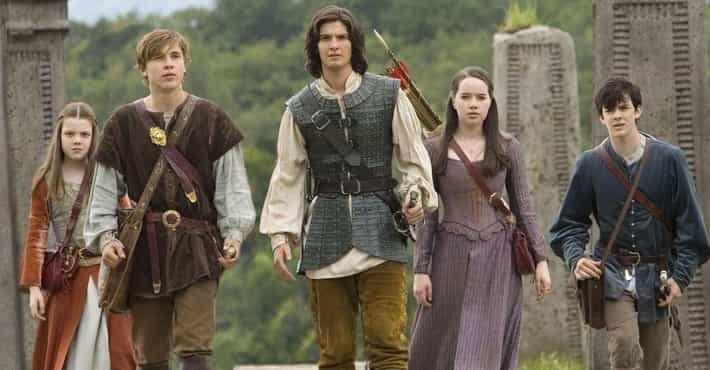
Narnia's magic lies in the delicate balance between remaining true to the source material and captivating a new, broader audience—a task that is easier said than done. Fans deeply connected to the integrity of Lewis’s work voiced strong reactions to shifts in storytelling, highlighting this challenge.
A Classic That Endures
Despite the franchise's uneven trajectory, the original 2005 film remains a standout fantasy piece. Its stunning production design crafted a believable, lived-in Narnia that felt both grand and intimate. The casting, particularly Tilda Swinton as the White Witch and Liam Neeson as Aslan, brought the story’s characters to life with chilling brilliance and profound gravitas.

Beyond the aesthetics, the film encapsulates the transcendental power of escapism. Through the story of children from wartime England discovering a magical realm, viewers of all ages can explore the comforting and transformative nature of fantasy worlds.
The Path to Rediscovery
Although Narnia appeared to be a childhood artifact, it still holds a treasure trove of inspiration for adults. As we reflect on the nostalgia associated with wardrobes and McDonald's Happy Meal toys, it's time to revisit the magic this film captured so effortlessly.
The story of Narnia on screen isn't over yet. In 2018, Netflix acquired the rights to the series and has recently announced Greta Gerwig as the director of two new films. This exciting prospect is gently stirring the fan base, though there is caution around maintaining the essence of the beloved stories.

Conclusion: A Call to Revisit
"The Chronicles of Narnia: The Lion, the Witch, and the Wardrobe" remains a powerful cinematic experience, particularly for its pure escapism and timeless narrative of good versus evil. If you haven't stepped through that wardrobe recently, we encourage you to revisit it. The true magic of Narnia isn’t just in its fantastical elements but in its enduring ability to ignite our imagination.
Listen to the full podcast episode here!