- IF: Imagination and Fantasy
- Posts
- The Company of Wolves: Angela Lansbury's Must-Watch Fantasy Horror
The Company of Wolves: Angela Lansbury's Must-Watch Fantasy Horror
When Little Red Riding Hood Gets Twisted

Damion Taylor
December 15, 2025 • Estimated Reading Time: 5 minutes
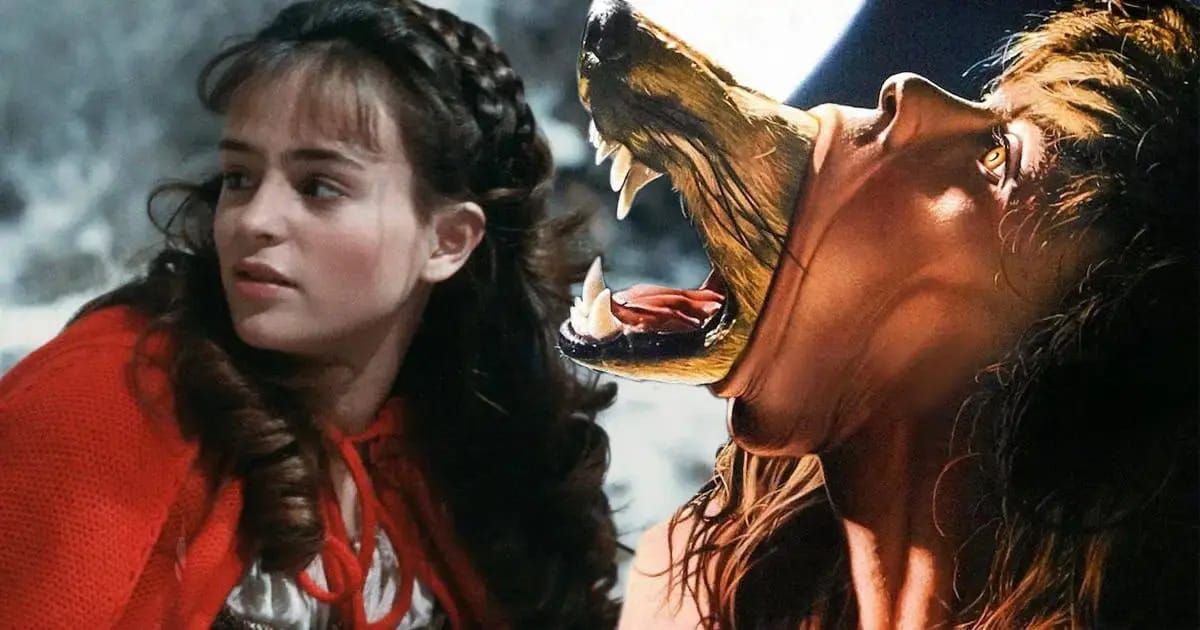
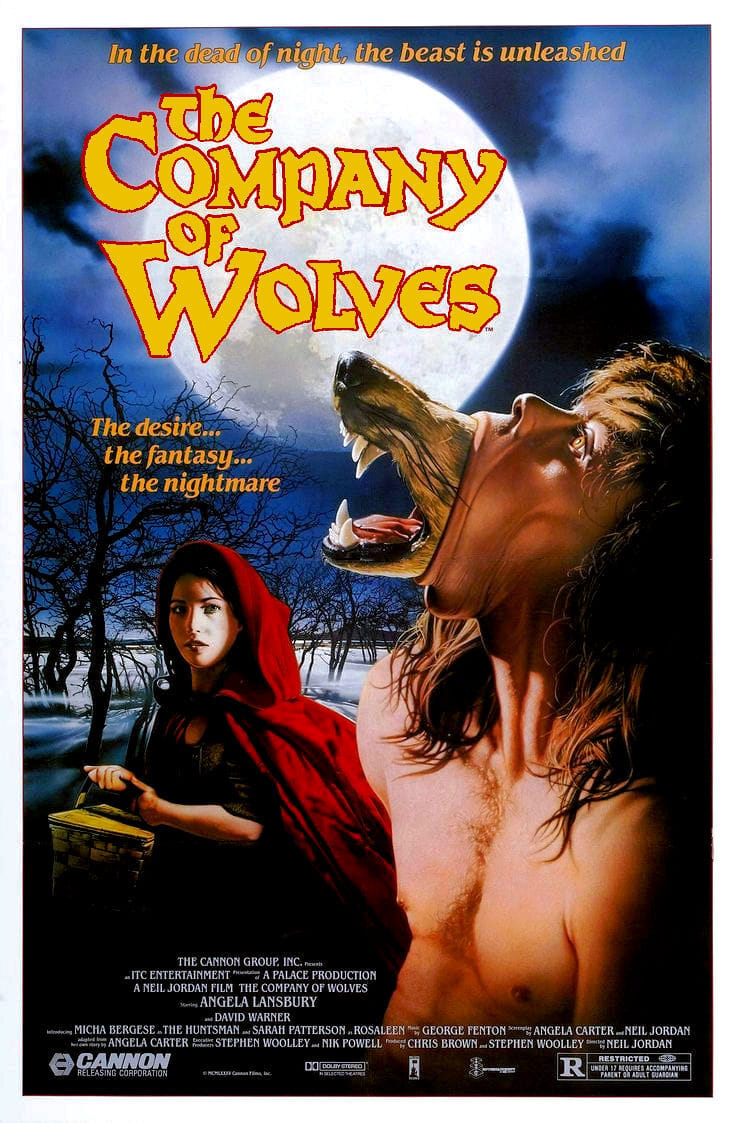
When most people think of Angela Lansbury, they imagine "Murder, She Wrote" or a beloved Disney character. Few recall her uncanny portrayal as a cackling granny in Neil Jordan's 1984 fantasy horror film, "The Company of Wolves." This cinematic treasure, a fusion of fantasy and horror, continues to hold a special place in the hearts of die-hard 80s horror enthusiasts and film aficionados.
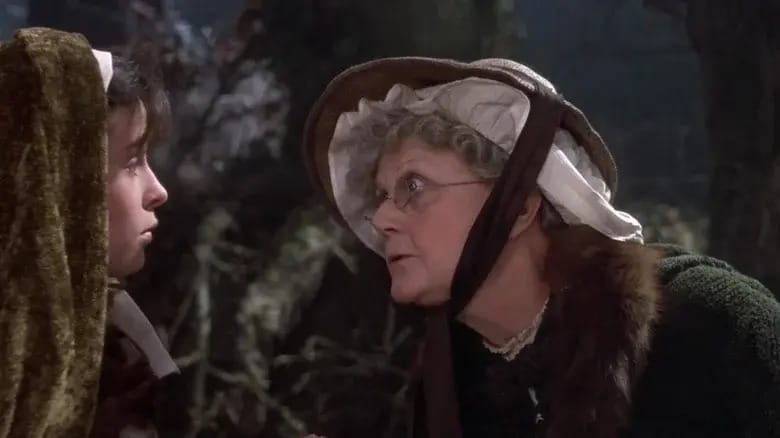
The Enigma of Angela Lansbury's Role
Angela Lansbury’s involvement is anything but typical for her career. Known for more innocent and charming roles, her performance as a cackling grandmother in a twisted fairy tale setting is unexpectedly dark and surreal. The film dives headfirst into re-imagining classic folklore, particularly the story of Little Red Riding Hood, morphing it into a touchstone for intelligent horror enthusiasts.
Reimagining Little Red Riding Hood
The film begins with the young protagonist, Rosaleen, who after the grim death of her sister, is sent to live with her grandmother (played by Lansbury) in a surreal and menacing dreamscape forest. From here, Jordan lays out a narrative that challenges preconceived notions of fairy tales. Granny’s advice to Rosaleen is pointed and specific, warning not just of wolves but of dangers such as handsome strangers and those sporting a unibrow—a detail rooted in ancient werewolf lore.
Unearthing the Ancient Roots
Neil Jordan's script brilliantly intertwines ancient mythological elements with modern horror. Interestingly, the unibrow is a genuine detail from old folklore indicating lycanthropy. Jordan's storytelling doesn't simply rely on gore; instead, it reimagines Little Red Riding Hood using mythology for profound literary depth. The film delves deep into themes of fear, not solely relying on jump scares but instead focusing on exploring the mythology behind the horror.
Stories Within the Story
The narrative is constructed like an anthology: Rosaleen is not just a passive character but a storyteller herself, subverting traditional cautionary tales told by her grandmother. In doing so, the film critiques societal norms and expectations historically placed on women. Rosaleen's stories, which challenge and subvert Granny's, explore class dynamics and expose the hidden fears in traditional folklore.
A Cinematic and Visual Feast
The film is a visual masterpiece, its aesthetics defined by the foggy, fantasy forest created by cinematographer Bryan Loftus. The production design, by Anton Furst and Nigel Phelps, echoes their later iconic work on Tim Burton’s "Batman," showcasing a unique gothic and stylized look that transports viewers to an ethereal realm.

Transformation and Iconography
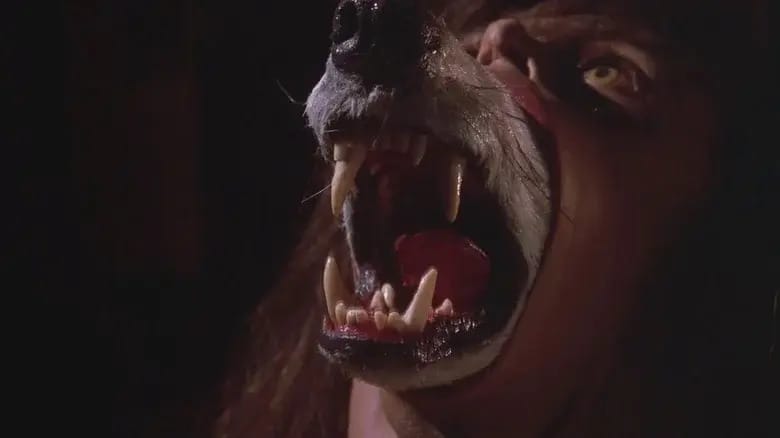
Integral to werewolf lore, the transformation sequences in "The Company of Wolves" are unforgettable. Eschewing typical rubber monster scenes, the film presents a uniquely visceral transformation—a wolf's snout emerging from a human's mouth, a haunting and original image that remains seared in viewers' minds.
Casting Gravitas
Beyond Lansbury, the film's cast includes David Warner and a cameo from Jim Carter, adding layers of depth and gravitas to the narrative. Terrence Stamp, uncredited yet impactful as Satan, exemplifies how the film integrates its horror elements with intellectual heft.
Legacy and Intellectual Appeal
Critics heralded the film for its incisive analysis of the sexual and Freudian subtext embedded in "Little Red Riding Hood." The mid-80s timing aligned perfectly with the burgeoning trend of literary deconstruction in academia. Unlike future films like "Shrek," which would satirize fairy tales, "The Company of Wolves" approached the material with a sense of serious analysis and revelation.
Conclusion: The Modern Fables Awaiting Analysis
For those seeking a horror film rich in substance, thematic exploration, and sumptuous visuals, "The Company of Wolves" remains a must-watch. It’s a prime example of blending mythology with horror for intelligent commentary.
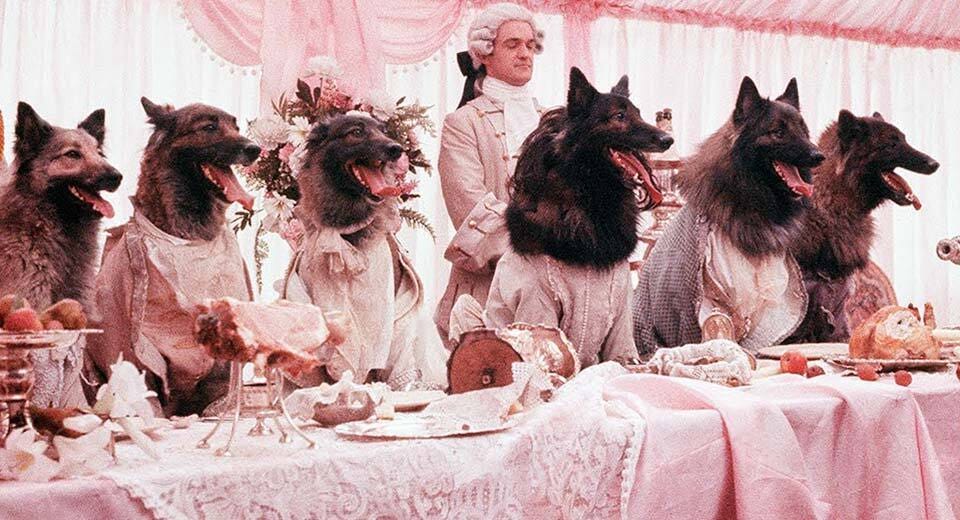
As we marvel at how this film unearthed deep-rooted fears and societal commentaries from beloved folklore, we might ponder: which of today’s stories and fables are ripe for similar exploration? What modern narratives are waiting to be reimagined with the same depth and courage? Until our next deep dive, these questions remain worth exploring.
Listen to the full podcast episode here!