- IF: Imagination and Fantasy
- Posts
- The Duality and Influence of Science Fiction: Beyond Entertainment
The Duality and Influence of Science Fiction: Beyond Entertainment
Where Science Meets Storytelling

Damion Taylor
November 21, 2025 • Estimated Reading Time: 5 minutes
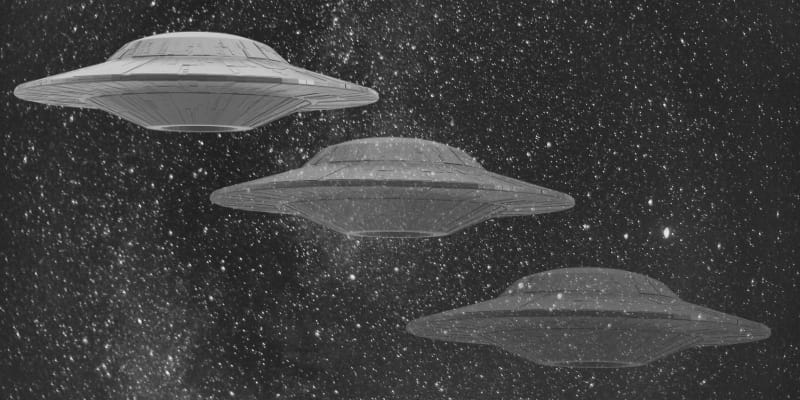
In an age where technology evolves at an unprecedented pace, our imagination of what the future holds often finds its roots not in think tanks or scholarly research but in the realm of science fiction. This genre, frequently dismissed as niche or escapism, might actually be steering the metaphorical ship guiding our human progress. As Arthur C. Clarke, the influential science fiction writer, once stated in 1963, "a critical reading of science fiction is essential training for anyone wishing to look more than 10 years ahead." Indeed, the ties between sci-fi and what could be termed popular futurism are deeply intertwined, revealing much about the paths ahead that modern companies imitate in their visionary quests.

The Duality of Science Fiction
Science and fiction—a bizarre coupling at first glance, where proof and facts meet pure invention and creativity. This contradiction is precisely why science fiction captivates. It's a genre balanced on the tension between the hard rules of science and the absolute freedom of imagination. It isn't merely random dreaming; it's the deliberate exploration of what-ifs within the realms of what we currently know. This duality prompts a continuous identity crisis within sci-fi, as critics brush it off as escapism while it enjoys an enduring popularity, suggesting there are deeper layers to uncover beyond mere entertainment.
Speculative Fiction: Setting the Framework
The term 'science fiction' has often come under scrutiny, with some academics preferring 'speculative fiction' due to the genre's intermingling with fantasy, horror, and magical realism. Yet, maintaining the 'science' in its name highlights the essence of a rational, rule-based inquiry. This structure grounds expansive explorations of moral and social change in a universe that feels tethered to believability. It's this very framework that delineates the fine line between sci-fi and fantasy—think of the contrast between Luke Skywalker's landspeeder as sci-fi with its anti-gravity tech and Aladdin's flying carpet, which instantly connects us to the realm of fantasy.

Sci-Fi's Economic Powerhouse
Despite its philosophical complexity and frequent academic dismissal, science fiction stands as a major economic powerhouse. In the United States alone, sci-fi books generate over half a billion dollars annually, with industry giants like 'Dune' surpassing classic literary sales. The comic book industry, saturated with sci-fi and fantasy themes, contributes remarkably at around $15.5 billion globally each year. Yet, it's in the domain of cinema where science fiction truly embeds itself into cultural consciousness.

Cinema: Sci-Fi's Cultural Stronghold
Early cinema embraced sci-fi with George Méliès' "Le Voyage dans la lune" (A Trip to the Moon) in 1902, setting a precedent for the genre's sensational allure. Through the years, the genre went through transitions—from the B-movie ghetto with low-budget special effects and monster plots in the mid-20th century, to a renaissance sparked by post-war technological booms and the space race. By the time Stanley Kubrick produced "2001: A Space Odyssey," sci-fi had stepped decisively into the mainstream.

The landscape of sci-fi in films saw a darker shift in the 1970s against the backdrop of political and economic unrest, offering dystopian narratives reflective of societal fears. But this gloom was upended by the optimistic reimagining of space opera with "Star Wars" in 1977, which redefined entertainment with groundbreaking visual effects through Industrial Light and Magic (ILM), establishing sci-fi as not just a genre but a leader in film innovation.

The Gravitational Pull of Sci-Fi on Society
The impact of science fiction today is far-reaching, extending beyond economic dimensions into shaping the visionary landscapes that frame our concepts of what futures might hold. With the genre's significant presence across media platforms, including the pervasive outlets of streaming giants, this introduces a pressing question: what kinds of futures are unimagined? Are vital human priorities erased by the shadow of blockbuster-driven templates focusing on grand narratives? Are we neglecting to picture essential alternate visions or intimate stories that address immediate, local issues?
In conclusion, we are invited to reflect on whether our cinematic devotion to sci-fi might sideline necessary future possibilities. Perhaps, as we indulge in the grand celestial visions science fiction offers, we should remain vigilant, ensuring that our collective imagination continues to cultivate a varied, inclusive tapestry of future narratives—an endeavor that acknowledges both the grand and the granular realities of human existence.
Listen to the full podcast episode here!