- IF: Imagination and Fantasy
- Posts
- The Most Original Sci-Fi Films of the 21st Century: A Deep Dive
The Most Original Sci-Fi Films of the 21st Century: A Deep Dive
A Journey Through Boundaries and Ideas

Damion Taylor
October 31, 2025 • Estimated Reading Time: 5 minutes
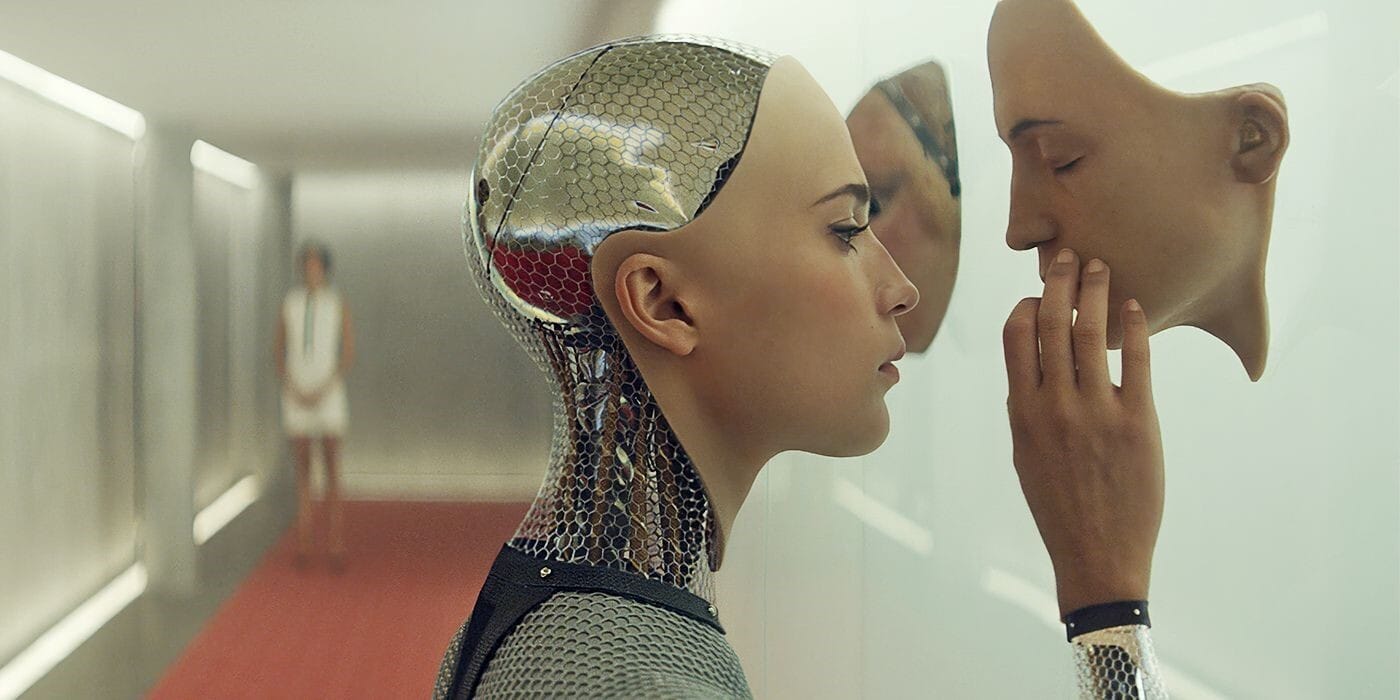
Welcome to a deep dive into the captivating world of 21st-century science fiction films. This genre has long been a platform for pushing boundaries, sparking imagination, and posing profound questions about humanity. In recent decades, filmmakers have elevated sci-fi to unprecedented heights, intertwining it with other genres and experimenting with narrative forms. What follows is an exploration of ten standout films that challenge the very concept of originality in science fiction.
The Quest for Originality in Sci-Fi
Originality in science fiction transcends mere futuristic gadgets and spaceships. Instead, it's about presenting profound ideas wrapped in visual storytelling. A reflection on the Collider article, "The 10 Most Original Sci-Fi Movies of the 21st Century, Ranked," guides us through this exploration. Not only do these films offer thrilling entertainment, but they also delve into the core of what makes us human.
AI and the Human Condition
Sci-fi has become a vehicle for dissecting AI consciousness and the existential question of what it means to be human. Spike Jonze's "Her" (2013) focuses on a heartwarming AI narrative that mirrors our quest for connection, while "Ex Machina" (2014) by Alex Garland probes deeper, challenging us to redefine humanity beyond biological confines.

Intellectual and Emotional Journeys
Moving from AI to broader conceptual realms, films like "Arrival" (2016) and "The Fountain" (2006) explore abstract themes through unparalleled narratives. "Arrival" transforms an alien encounter into a linguistic and existential odyssey, while "The Fountain" navigates the intimate terrain of love and immortality.

The Personal and Surreal
"Eternal Sunshine of the Spotless Mind" (2004) brings sci-fi into personal realms, exploring memory and heartbreak through a non-linear, surreal lens. "Primer" (2004) invites viewers into a meticulously crafted, low-budget exploration of time travel, inviting contemplation on human morality.

Societal Reflections Through Sci-Fi
Turning our attention to social commentary, "Children of Men" (2006) presents a disturbingly plausible dystopian future, provoking discourse on hope and humanity. In stark contrast, "The Lobster" (2015) injects absurdity into relationship norms, while "Under the Skin" (2013) offers an atmospheric meditation on identity and otherness.

Surrealism Meets Philosophical Exploration
Finally, "Everything Everywhere All at Once" (2022) stands out as a multiverse phenomenon, blending genres effortlessly and delivering a profound narrative on love and connection amidst chaos. This film epitomizes sci-fi's capacity to address deep philosophical questions.

Redefining Originality
The exploration of these films confirms that originality in sci-fi hinges on innovative approaches and the reimagination of familiar ideas. Adaptations, like "Arrival," can still push boundaries and offer fresh perspectives, proving that originality is more about how perception and expectations are twisted rather than the source material's novelty.

The Legacy of 21st Century Sci-Fi
These ten films underscore the limitless potential of science fiction to challenge and inspire. Each film dares to explore diverse themes—from AI and society to memory and identity—showcasing how the genre can profoundly impact our understanding of existence and connection.
Final Reflections
We hope this dive into contemporary sci-fi has offered new insights and perhaps inspired a re-watching of these titles. Consider how sci-fi's deep exploration of human themes might encourage other genres to adopt similar bold storytelling techniques. As sci-fi continues to evolve, it invites us to continuously rethink our world and the stories we cherish.
What criteria do you use to label something as sci-fi or original? Is it about the ideas, the aesthetics, or something deeper? Share your thoughts and let the discussion continue.
Listen to the full podcast episode here!