- IF: Imagination and Fantasy
- Posts
- The Philosophy of Sci-Fi: 5 Novels That Will Change How You See the World
The Philosophy of Sci-Fi: 5 Novels That Will Change How You See the World
Sci-Fi That Questions Everything

Damion Taylor
November 11, 2025 • Estimated Reading Time: 4 minutes

Introduction
Welcome to another edition of the Deep Dive, where we explore topics both thrilling and deeply thought-provoking. Today, we're delving into a fascinating notion: certain science fiction novels are more than just captivating stories—they are potent tools for philosophical exploration that can fundamentally shift your perception of reality.
The Power of Story as a Catalyst for Thought
We're wrestling with a core question: What if a truly great story could be a powerful catalyst for self-reflection? How might that lead you to a new understanding of the world and your place in it? Our mission today is to unpack five specific sci-fi novels that not only offer compelling narratives but also pose wonderfully irritating philosophical queries, as described by Psychology Today.
1. Mary Shelley's "Frankenstein"

Let's start with a foundational work—Mary Shelley's "Frankenstein." Written when Shelley was just 18, it’s often called the Father of Science Fiction. Beyond its foundational status, the novel is prophetic, asking profound questions about creation and responsibility. It highlights the consequences of creators shirking their duties, mirroring today’s ethical debates around unchecked technological advancement.
2. Matt Haig's "The Humans"
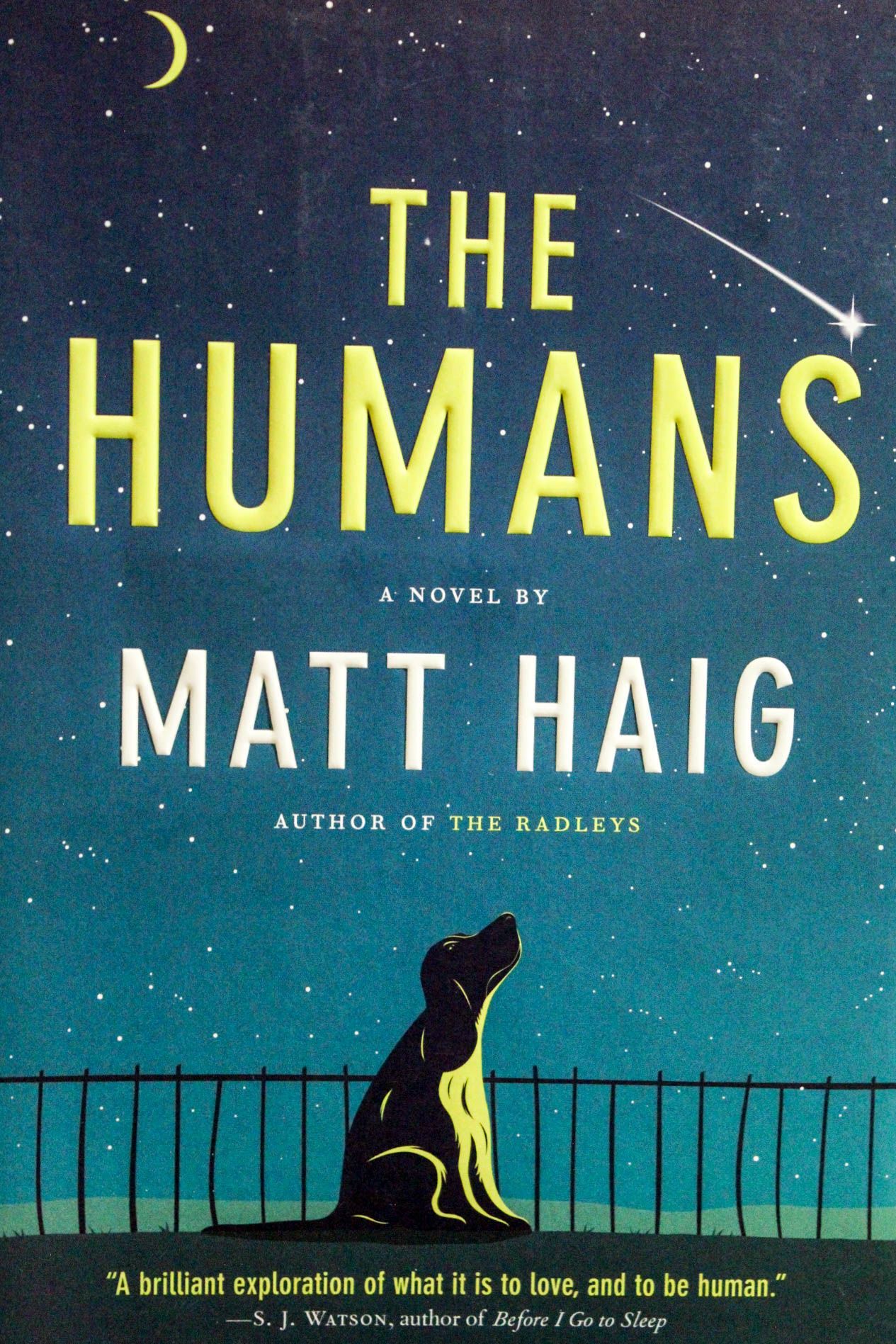
Fast forward to 2013, and we find Matt Haig's "The Humans," a brilliant story about an extraterrestrial inhabiting a human body. This narrative offers a fresh perspective on humanity, akin to an interstellar anthropologist's view. Haig’s work marvels at our peculiar habits and contradictions, urging us to appreciate the simple joys often overlooked in daily life.
3. Ray Bradbury's "Fahrenheit 451"
Ray Bradbury's "Fahrenheit 451" remains relevant, challenging our freedom of expression by showing how a society can willingly embrace ignorance. As we navigate an AI-driven world, Bradbury’s warnings about intellectual complacency resonate deeply. His story isn’t just about book burning but about the pervasive control of information.
4. H.G. Wells' "The Time Machine"

H.G. Wells’ "The Time Machine," from 1895, opened new dimensions of thought and sparked scientific curiosity. Beyond its time travel concept, the story delves into class inequality and our evolutionary future, serving as a powerful allegory for societal divisions.
5. Aldous Huxley's "Brave New World"
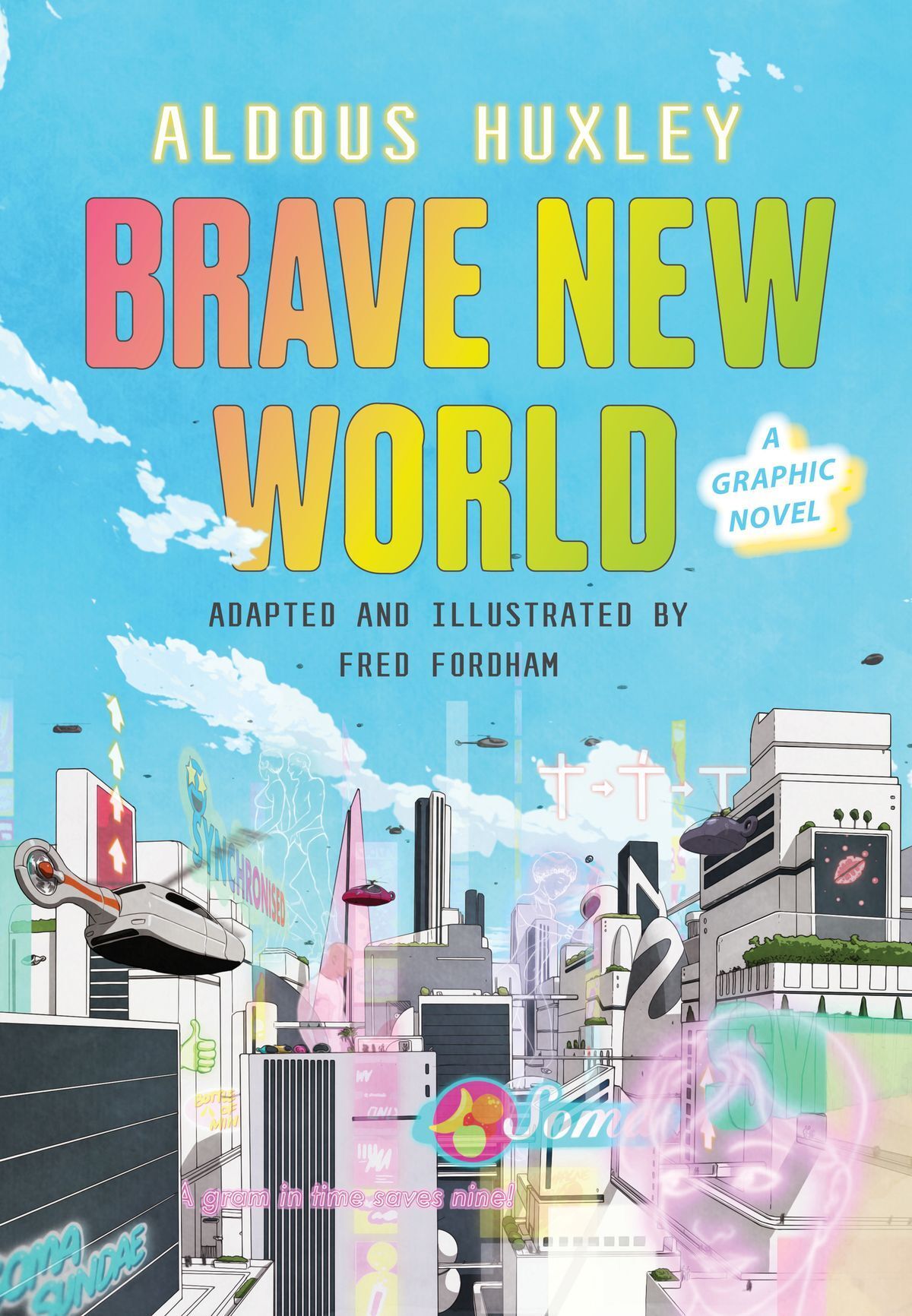
Lastly, Aldous Huxley’s "Brave New World" profoundly challenges our modern anxieties. This novel explores themes like social engineering, technological advancement, and the trade-off between freedom and comfort. Huxley’s insights into consumer culture and the power of distraction are more prescient than ever.
Conclusion
Ultimately, these five novels, written across different centuries, serve as powerful lenses to critically examine our present and anticipate future possibilities. They prompt us to question our assumptions, consider multiple perspectives, and evaluate the world we are building.
As you ponder these stories, consider what other narratives—fictional or real—have profoundly shifted your view of reality. Why were these experiences crucial for your personal growth? Keep exploring, keep questioning, and keep diving deep into the world around you.
Listen to the full podcast episode here!