- IF: Imagination and Fantasy
- Posts
- The Science of Memory: Exploring Optogenetics and the Future of Neuroscience
The Science of Memory: Exploring Optogenetics and the Future of Neuroscience
The Future of Memory: Innovation with Consequence

Damion Taylor
December 10, 2025 • Estimated Reading Time: 4 minutes

In the ever-evolving field of neuroscience, groundbreaking advancements are continually redefining our understanding of the human mind. One such advancement, which sounds like something straight out of a sci-fi novel, is the ability to change, erase, and even implant memories, a feat that's becoming increasingly achievable through the science of optogenetics. But as we stand on the brink of this revolutionary technology, it's crucial to contemplate both its vast potential and the ethical dilemmas it presents.
The Edge of Science Fiction: Memory Manipulation
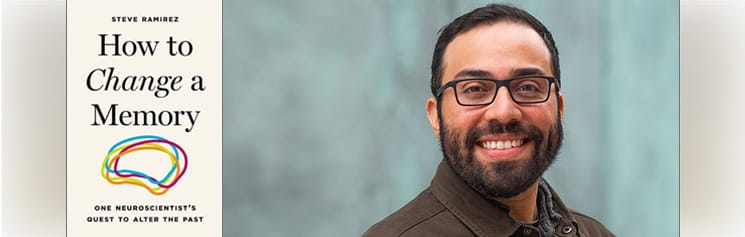
For many, the concept of altering memories sounds like pure science fiction. Yet, as neuroscience progresses, the possibility of editing or creating memories is shifting from fantasy to reality. Neuroscientist Steve Ramirez, in his book "How To Change A Memory," delves into these possibilities, presenting optogenetics as a game-changing tool. This technique allows precise control over specific brain functions by genetically modifying neurons to respond to light. Researchers can thus manipulate individual memories by targeting precise brain areas such as the cortex, hippocampus, and amygdala.
Optogenetics: The Tool for Precision
Optogenetics offers an unprecedented level of surgical accuracy, acting as a switch or scalpel to control neuron firing within milliseconds. This precision is essential for dissecting and modifying memories among billions of brain cells. Significantly, while this provides an avenue to dampen emotional responses linked with traumatic memories, the inherent nature of memory retrieval itself—altering and rewriting—renders our recollections both fragile and unreliable.
The Dynamic Nature of Memory
Ramirez emphasizes that memory is not a static record but a dynamic process. Whether influenced by mood or environment, every retrieval subtly alters the memory, updating and reshaping it. This natural approximation leads to phenomena like false memories, where individuals recall events vividly, yet inaccurately.
Dreams: Playing a Role in Memory Management
Adding another layer to this complex subject, dreams are posited to function as mental sandboxes, allowing the brain to consolidate, reorganize, and troubleshoot memories, potentially enhancing problem-solving skills. There is evidence that sleep enhances the ability to solve complex problems by providing a conducive environment for this psycho-emotional processing.
Ethical Considerations: Power and Responsibility
The power to create emotional associations artificially through experiments like the scent of oranges experiment highlights the ethical implications that come with such capabilities. Optogenetics, while promising revolutionary treatments for mental health disorders, poses the risk of misuse—ranging from unwanted memory manipulations to potential mind control.

Guarding the Future: Knowledge and Regulations
Ramirez suggests that a scientifically literate public, alongside robust regulatory frameworks, are critical in navigating the future paths of this technology. Educating society about the limitations and capabilities of these advancements, while enforcing stringent regulations on their application, could pave the way for responsible use.
Conclusion: The Call for Concrete Action
As we grapple with these profound possibilities and dangers, mere optimism is inadequate in ensuring ethical compliance. History shows us that unchecked technological advances often lead to unintended consequences. Therefore, societies must take proactive steps to implement strategies that emphasize safety and responsibility. This means initiating discourse on the necessary regulatory measures and promoting widespread public understanding to ensure that the immense potential of this technology is harnessed for the betterment of humanity.
In conclusion, the future of memory is a landscape filled with immense potential and significant challenges. As we venture forth into this uncharted territory, we must balance our scientific curiosity with mindful ethical considerations, ensuring that our innovations contribute positively to the human experience.
Listen to the full podcast episode here!