- IF: Imagination and Fantasy
- Posts
- The Twilight Zone: A Legacy of Sci-Fi Horror and Social Commentary
The Twilight Zone: A Legacy of Sci-Fi Horror and Social Commentary
How Yesterday’s Fiction Became Today’s Reality

Damion Taylor
November 27, 2025 • Estimated Reading Time: 5 minutes
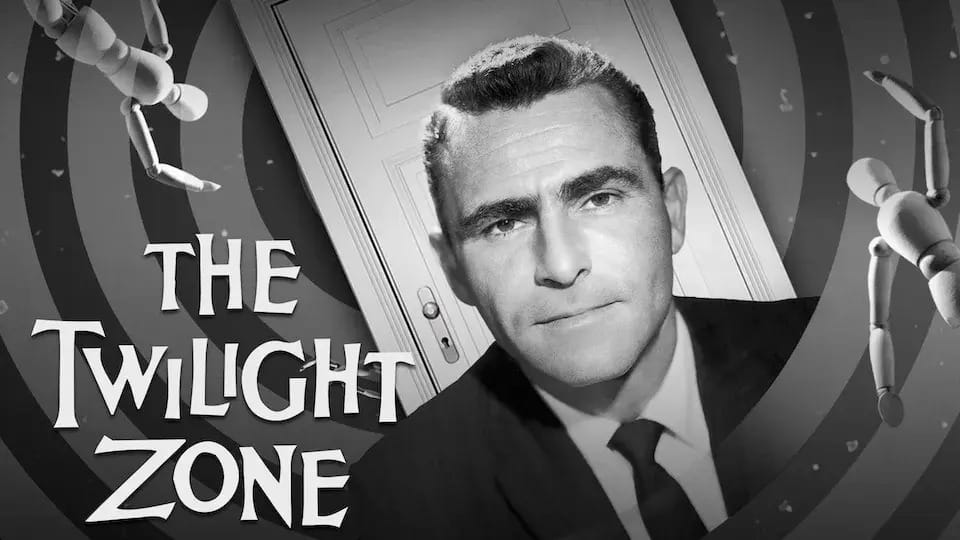
Welcome back to the Deep Dive, where we cut through the noise to bring you the knowledge you need. Today, we're examining a claim that might sound far-fetched to some: a black and white TV show, now 66 years old, remains the most influential sci-fi horror series of all time. Enter "The Twilight Zone," the original from 1959 to '64, a series that was more than just an anthology of eerie tales—it was a groundbreaking commentary on society, cleverly disguised in the garb of speculative fiction.
Understanding the Legacy
The brilliance of "The Twilight Zone" lies in its foundational role in shaping modern entertainment. Its legacy is rooted in adept storytelling that incorporated social commentary under the guise of science fiction and fantasy. Rod Serling, an Emmy-winning writer, saw these genres as vehicles not just for terror, but also for mystery, twists, and sharp satire. Critics and audiences alike continue to celebrate its brilliance, with Rotten Tomatoes scores still shining at 92% from critics and an astonishing 95% from audiences.

The Power of Allegory
Serling's genius lay in his use of allegory to bypass the censorship of the time. CBS in the late 1950s was nervous about explicit depictions of controversial topics like racism or nuclear fear. By setting these narratives in fictional worlds with aliens and far-off planets, Serling managed to deliver potent critiques without raising alarms. This clever storytelling device allowed "The Twilight Zone" to explore a wide range of genres—from psychological horror to pure sci-fi and fantasy—each episode a vessel for moral and social reflection.

Star-studded Cast and Writing
In addition to Serling's narratives, "The Twilight Zone" drew in remarkable talent. Literary giants like Charles Beaumont and Richard Matheson contributed to its scripts, creating intricate tales with powerful allegorical messages. Future stars, including Burt Reynolds and Robert Redford, also got their start by delivering intense performances on the show, proving the project's draw despite likely budget constraints. The need for creative storytelling necessitated reliance on strong scripts, talented actors, and unforgettable twist endings.

Modern Echoes of The Twilight Zone
"The Twilight Zone" taught Hollywood that genre fiction could carry serious weight—far from mere fluff. It influenced countless modern narratives, from "The Sixth Sense" with its narrative twists to "The Truman Show," which echoes the unsettling feeling of a manufactured life—hallmarks of Serling's influence. Filmmakers like Jordan Peele, whose work in films like "Get Out" channels social critique through horror and sci-fi, have cited "The Twilight Zone" as a significant inspiration, even attempting a reboot of the series in 2019.
The 1983 Movie: A Shadowed Legacy
The 1983 "Twilight Zone" movie was an ambitious attempt to revive this magic on the silver screen with big-name directors at the helm. Unfortunately, it's remembered more for its tragic on-set accident than its creative content. The film's legacy was tainted by a fatal accident during the filming of its first segment, overshadowing its ambitious anthology format, despite contributions from directors like Steven Spielberg and John Landis.

Reflecting on "The Twilight Zone" Today
The original series showed us that fantasy and sci-fi could be profound tools for storytelling—vehicles to deliver deep social commentary and moral truths. So, as we reflect on "The Twilight Zone's" lasting influence, it begs the question: What current stories will future generations look back on as defining narratives that captured today’s anxieties—AI, climate change, political division? Which of these will be heralded as the definitive origin stories of our time, echoing the genius of "The Twilight Zone"?
As we ponder this, remember that the true legacy of "The Twilight Zone" lies in its ability to deliver powerful stories about ourselves, cleverly disguised in the extraordinary. We'll catch you on the next Deep Dive, as we continue to explore the hidden depths of today's most compelling stories.
Listen to the full podcast episode here!