- IF: Imagination and Fantasy
- Posts
- Unexpected Fantasy Films: Surprising Oscar Wins
Unexpected Fantasy Films: Surprising Oscar Wins
The Fantasy Movies That Shocked Hollywood

Damion Taylor
November 04, 2025 • Estimated Reading Time: 6 minutes

Welcome to a thought-provoking exploration into the world of fantasy films and their surprising Oscar wins. When we think of the Oscars, images of glitzy drama and witty comedies pop into our minds. But what about those fantastical worlds full of incredible creatures and epic quests? Traditionally overlooked, fantasy films have had their moments of glory at the Oscars, often breaking through in unexpected ways. Let’s dive into these surprising Oscar victories.

Fantasy vs. The Academy: A Complex Relationship
The Academy Awards have long had their preferences, typically favoring dramas and comedies over genres like fantasy, horror, and sci-fi. Despite a push in recent decades to celebrate technical achievements, fantasy is usually limited to recognition in specialized categories such as visual effects and makeup.
So, what makes a fantasy film break the mold? Today, we explore the 10 most surprising fantasy movie Oscar wins, revealing insights into the Academy’s relationship with the genre.
Introduction to the Unlikely Winners
Let's start with a defining exception: Peter Jackson's Lord of the Rings trilogy, which is among the few fantasy epics to win Best Picture. Released during a unique time in Hollywood, it remains unparalleled in award success for the genre. The other wins we explore today don't fit this mold, which makes them even more intriguing.

The Eye of the Makeup Artist
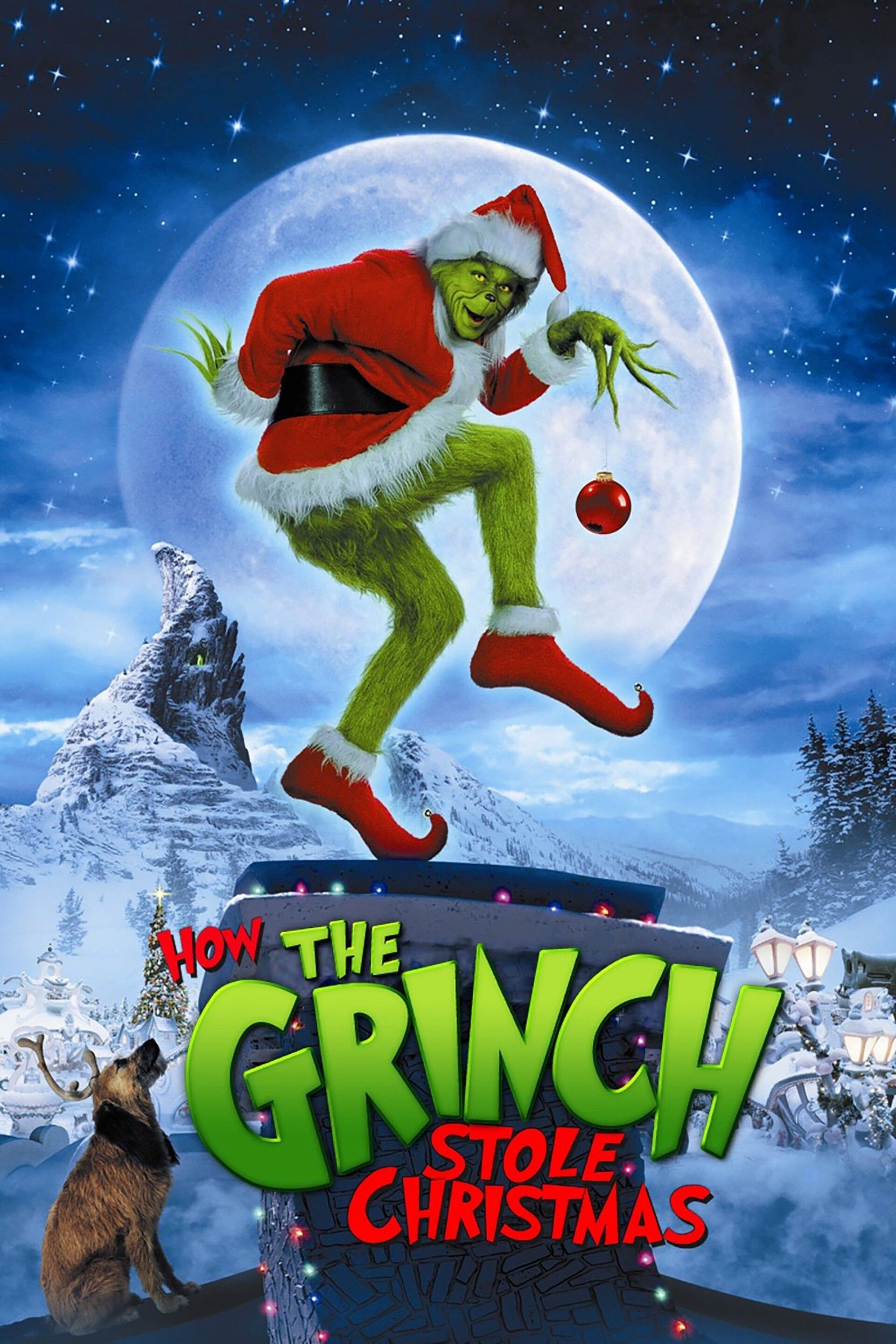
At number 10, we find How The Grinch Stole Christmas (2000), a film not expected to be an awards contender yet taking the Oscar for Best Makeup. Rick Baker's legendary work transformed Jim Carrey into the Grinch, showcasing exceptional craft.
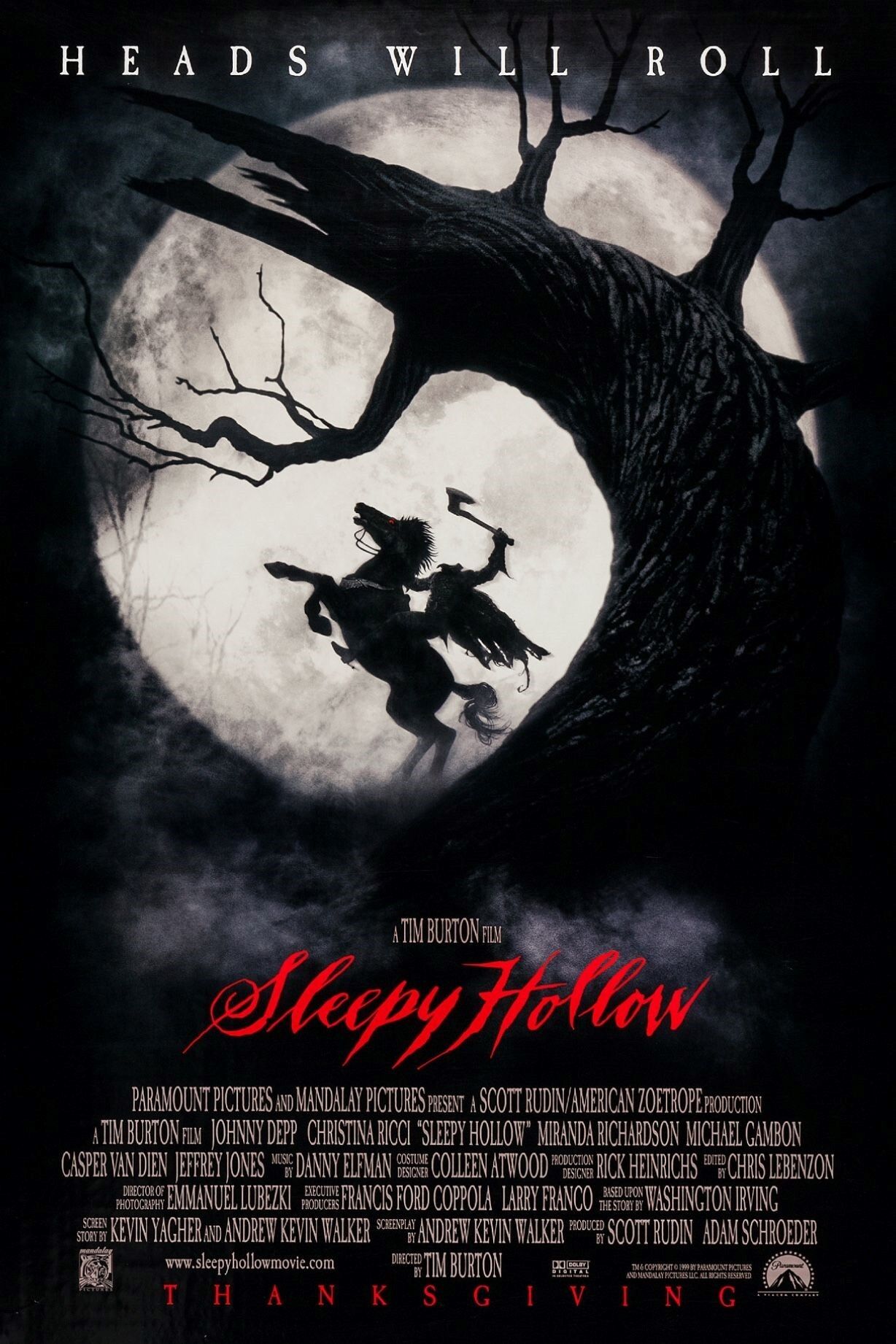
Number 9 on the list brings Sleepy Hollow (1999), a Tim Burton visual feast. While it didn't scream Oscar material, it managed nominations including Best Cinematography, ultimately winning Best Art Direction for its atmospheric gothic design.
The Wizarding World and Unexpected Triumphs
Fantastic Beasts and Where To Find Them (2016) marks number 8, surprising many by being the only installment from the Wizarding World to secure an Oscar, winning Best Costume Design.

Continuing with number 7, What Dreams May Come (1998) is notable for its stunning visuals, winning Best Visual Effects despite being a box office flop. It stood out for its innovative blend of fantasy and drama, albeit underappreciated at the time.

Celebrating Craftsmanship in Fantasy
Jim Carrey reappears at number 6 with A Series Of Unfortunate Events (2004), earning the accolade for Best Makeup. This win underscores how Carrey's transformative roles allowed makeup artists to thrive creatively.

The Wolfman (2010) takes number 5, defying its box office failure with a Best Makeup award. Rick Baker’s unmatched artistry in creature design once again caught the Academy’s attention.

Acknowledging Groundbreaking Visuals
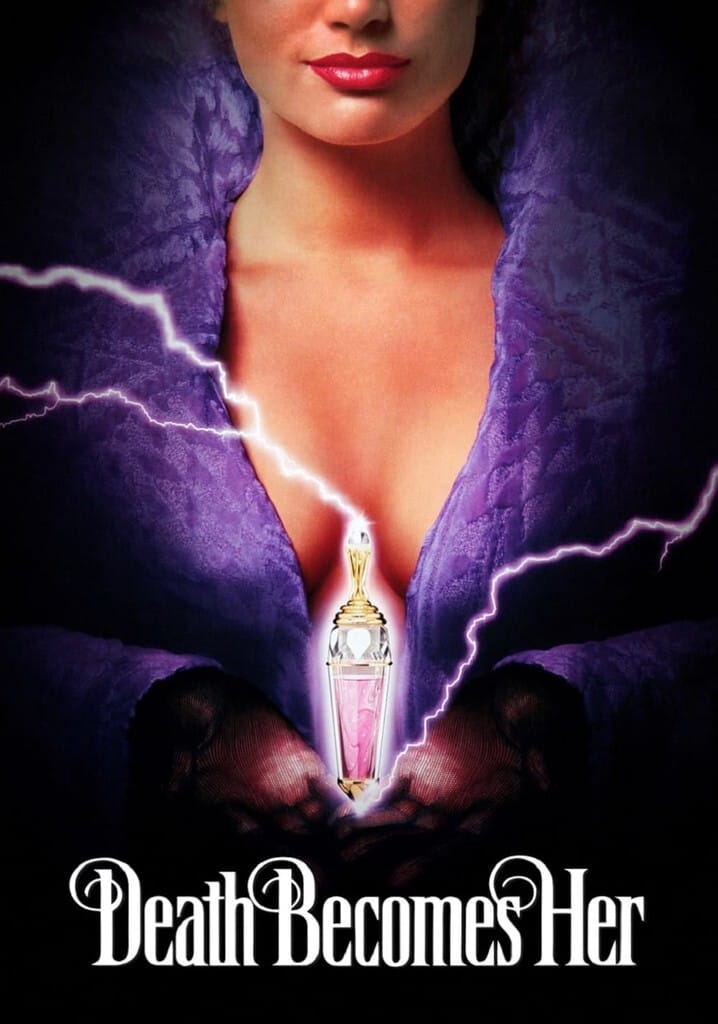
Number 4 is Death Becomes Her (1992), celebrated for its groundbreaking visual effects that brought dark comedy to life. This marked a win for technical innovation despite the film's eclectic genre mix.
Tim Burton’s classic Beetlejuice (1988) lands at number 3, celebrated for its imaginative makeup. It marked a significant win for Burton's filmography and female makeup artists in the industry.

Surprising Yet Forgettable
Number 2 features The Golden Compass (2007), a film intended to launch a franchise but remembered primarily for its Best Visual Effects Oscar. Its failure in other aspects highlights the Academy's ability to isolate technical achievements.

A Blockbuster Spectacle
Finally, at number 1, we have Pirates of the Caribbean: Dead Man's Chest (2006), notable for its spectacular visual effects. It became the only Pirates film to win an Oscar, recognized for its groundbreaking character animation.

Conclusion: Recognizing the Craft
Reflecting on these wins, a pattern of technical dominance emerges—makeup, visual effects, and art direction are categories where fantasy consistently shines. These wins illustrate how even films less appreciated in other aspects can achieve recognition for their technical artistry. It seems the Academy can isolate and reward exceptional craftsmanship without fully endorsing the genre for the biggest awards.
Do these technical wins signify a slow evolution in recognizing various filmmaking excellences? Could these surprises be nudging the Academy toward broader recognition of cinematic artistry? Only time will tell, but fantasy films continue to push boundaries and redefine excellence in their unique ways.
Listen to the full podcast episode here!